About Me

- Satima Flavell
- Perth, Western Australia, Australia
- I am based in Perth, Western Australia. You might enjoy my books - The Dagger of Dresnia, the first book of the Talismans Trilogy, is available at all good online book shops as is Book two, The Cloak of Challiver. Book three, The Seer of Syland, is in preparation. I trained in piano and singing at the NSW Conservatorium of Music. I also trained in dance (Scully-Borovansky, WAAPA) and drama (NIDA). Since 1987 I have been writing reviews of performances in all genres for a variety of publications, including Music Maker, ArtsWest, Dance Australia, The Australian and others. Now semi-retired, I still write occasionally for the ArtsHub website.
The Dagger of Dresnia

The Cloak of Challiver, Book two of The Talismans

Available as an e-book on Amazon and other online booksellers.
Mythic Resonance

Mythic Resonance
Mythic Resonance is an excellent anthology that includes my short story 'La Belle Dame', together with great stories from Alan Baxter, Donna Maree Hanson, Sue Burstynski, Nike Sulway and nine more fantastic authors! Just $US3.99 from Amazon.
Got a Kindle? Check out Mythic Resonance. 
My Blog List
-
Various & Sundry, 6/8/26 - Hello, it’s Monday, let’s see what’s been going on over the weekend: Spencer Pratt misses LA Mayoral runoff: I’ve not lived in California for decades now, ...12 hours ago
-
Book Review – The Cradle of the Worlds… - These books are fast, intense, character-driven adventures. Jill Smith’s Reviews > Jane Doe and the Cradle of All Worlds Jane Doe and the Cradle of All Wor...13 hours ago
-
Book PR & Marketing: Articles to Help You Manage Expectations - Many of my new business calls focus on: - The differences between marketing and PR - What does media/PR for an author look like - Why reviews a...16 hours ago
-
New Medieval Books: Saint Benedict, Montecassino, and the Crisis of Ninth-Century Southern Lombards in Early Medieval Cassinese Memory - Southern Italy in the ninth century was beset by warfare, political rivalry, and frequent Muslim raids. The monks of Montecassino Abbey witnessed these tur...1 day ago
-
Get Rec’d with Amanda – Volume 116 - Welcome back! We have a mix of non-fiction and fiction today with a lot of variety in content: cooking, dark academia, a thriller, and some history. Someth...1 day ago
-
Kerri Hakoda - Kerri Hakoda has worked in and out of Alaska in advertising and marketing, marine transportation, cable television and trade magazine ad sales. She was bor...
 3 days ago
 -
How Your Story’s Opening Tells Audiences What To Expect (And Why It’s SO Important) - Your Story’s Promise To Your Target Viewers Or Readers Most spec screenplays don’t have a strong opener Instead, they open with generic scenes that could...3 days ago
-
The Bloomsbury Set at Charleston by Judith Allnatt - I recently had the opportunity to visit Charleston Farmhouse in East Sussex, which was home to some members of the Bloomsbury group including Vanessa B...4 days ago
-
How can it possibly be June already? - I feel I’m in a time tunnel. Egads! It’s June already and I’m pondering what happened to May. Oh well. Since my last post, I have sent The Founders’ Legacy...5 days ago
-
Restive people never rest - Restive people never rest Some parts of the story I am going to tell can be found in most dictionaries, but it is the attempts to connect a few distant d...5 days ago
-
Newsletter 3rd June 2026 - Weathering the Doldrums Hello, fiends. Been a while, my apologies. But as my dear old mum used to say, if you don’t have anything nice to say, don’t say ...6 days ago
-
Juniper Wiles by Charles De Lint. Ottawa: Triskell Press 2021 - This novel is one of the recent stories set in the world of Newford, that delightful town somewhere in Canada , where there is magic, music and craf...1 week ago
-
Slot Online Deposit 24 Jam - Sebagai pemain, Anda dapat dengan mudah menyetor dan menarik dana dari akun Anda di slot online 24 jam. Situs RAJA01 ini juga menawarkan layanan pelangga...1 week ago
-
A Novel Ian Likes: Mythago Wood by Robert Holdstock - Steven Huxley has returned home after recovering from wounds inflicted during the Second World War. He is expecting to find his brother Christian living in...1 week ago
-
Staerstone Book Launch - Staerstone was launched at an amazing event hosted by Core Climbing, with the main launch nestled in a whole-day climbing competition sponsored by Open Pro...2 weeks ago
-
How Could You Do This to Me? When Characters Betray Other Characters - *By Janice Hardy* *Betrayal can come in many forms, and most of them make for great stories.* The "unexpected betrayal" has always been a popular trope, b...
 2 weeks ago
 -
The Founders’ Legacy - This book is coming along nicely. I have been tweaking the cover using Bookcoverzone. I’ve not done this before. I usually just say what’s on the cover but...2 weeks ago
-
Photography Sessions - Complimentary Photo Session Following on from my recent survey questionnaire, I’m excited to offer a select number of participants a complimentary photo se...3 weeks ago
-
The Sociopathic Origins of Religion - You’ve all seen variations on this: how ‘Prehistoric Man’ looked up at the stars, asking: “What are they? What causes them to move?” Then a bit later: “Why...2 months ago
-
AI and Creative Professions - I've been wrestling with this for a while, and I am aware that the ambiguity in this post is palpable. AI isn't going anywhere, and I find it amazingly use...3 months ago
-
2025 in Review: Books Read and Stories Published - I read less this year due to a combination of work, prioritising exercise and my health, family commitments and various other distractions. Reading wise,...
 3 months ago
 -
Thank you - It’s been a while since I've posted anything anywhere, but I didn't want to let any more time go by without thanking everyone for all your kind messages ...4 months ago
-
Bhante Rahula travels to India and Sri Lanka in January 2026 - Hi Friends, Bhante Rahula will lead a Year End Retreat at the Lion of Wisdom Meditation Center near Damascus Maryland from December 26th, 2025 through J...6 months ago
-
A Very Small Essay (1) - One of the lifeguards at our community centre pool, who I’d estimate to be in his mid-twenties, sometimes joins in with our aquafit class from the pool dec...6 months ago
-
Guy finally receives his PhD… - I finally got to wear a silly outfit and receive my PhD on Thursday 4th September 2025 at Curtin University. This wouldn’t have happened without the effort...9 months ago
-
Joon, Big Red and the Unicorn – a picture book - Joon is a keeper in the Timeless Forest… Joon is a keeper in the Timeless Forest, tending to all the trees and plants. When a fire threatens everything t...11 months ago
-
This feed has moved and will be deleted soon. Please update your subscription now. - The publisher is using a new address for their RSS feed. Please update your feed reader to use this new URL: *https://problogger.com/feed/*1 year ago
-
A Little Piece of Alternative History - Elizabeth, Duchess of Norfolk, is a good height for a woman, but not tall – only her headdress make her seem so. As a recent widow, she is clad entir...1 year ago
-
-
Happy Public Domain Day 2025, the end of copyright for 1929 works - This is my annual reminder that January 1st is Public Domain Day, and this year copyright has ended for books, movies, and music first published in the U.S...1 year ago
-
Titles - This is a bit of a technical post, provoked by reading a certain novel. In England, pre-Tudors, there was only ever one Prince. The Prince of Wales, when...1 year ago
-
About Holly - There is no way to soften the blow of this and Mom never liked euphemisms, so I’m just going to speak plainly. Mom died due to complications from cancer on...1 year ago
-
WRAP UP OF HORRORFEST POST, OCTOBER. - Hi all! Thank you so much for posting to WEP's Horrorfest in October. I'm sure everyone enjoyed reading the entries. So good to see so many of the 'oldi...
 1 year ago
 -
A personal thought on the passing of publishing legend Tom McCormack - The passing of publishing giant Tom McCormack makes me recall the interaction he had with my father, Leonard Shatzkin, from the very beginning of Tom’s p...1 year ago
-
Henry of Lancaster and His Children - The close bonds which Edward II's cousin Henry of Lancaster, earl of Lancaster and Leicester, forged with his children have fascinated me for a long time...2 years ago
-
Questions from year 9 students - Recently – actually, not very recently but I somehow forgot to write this sooner – I did what has become an annual online Q&A with the Year 9 girls at Bedf...2 years ago
-
Flogometer 1180 for Christian—will you be moved to turn the page? - Submissions sought. Get fresh eyes on your opening page. Submission directions below. The Flogometer challenge: can you craft a first page that compels me ...2 years ago
-
Storny Weather - I've just been out fixing up the damage from last night's storm. This is pretty much the first time I've been able to spend much time outside and do any...2 years ago
-
another review for the Christmas Maze - *The Christmas Maze by Danny Fahey – a Review by David Collis* Why do we seek to be good, to make the world a better place? Why do we seek to be ethi...3 years ago
-
Publishing Contracts 101: Beware Internal Contradications - It should probably go without saying that you don't want your publishing contract to include clauses that contradict one another. Beyond any potential l...
 3 years ago
 -
Brick Architecture, Hall Houses, Monasteries and more – A Tour of Stralsund's Old Town - The town of Stralsund was one of the leading members of the Hanseatic League and thus one of the few German towns that still carry the denomination in offi...4 years ago
-
Non-Binary Authors To Read: July 2021 - Non-Binary Authors To Read is a regular column from A.C. Wise highlighting non-binary authors of speculative fiction and recommending a starting place fo...4 years ago
-
-
Grants for Writers Masterclass Online - Grants For Writers Masterclass Online Winner of 6 grants, author Karen Tyrrell shares her secrets to Grant Writing for Australian writers and authors. ...6 years ago
-
UPDATE ON WORK IN PROGRESS... - *THE FUGITIVE QUEEN * *(title may change!)* The initial draft of this novel has been finished at slightly under 150,000 words, so not quite as long as the...6 years ago
-
Productivity - If you're looking for a post on how to be more productive in your writing, this is not it. However, if you're looking for a discussion of how we conceptual...
 6 years ago
 -
HOW TO UPGRADE YOUR LIFE - Stories end. New stories begin. It's fascinating -- the great and small adventures of every day. Honor the place where you're rooted. What stories are f...
 6 years ago
 -
Geoffrey Chaucer - [image: Geoffrey Chaucer] Geoffrey Chaucer *Geoffrey Chaucer* turned into born in 1343, the son of John and Agnes (de Copton) Chaucer. Chaucer was descen...
 6 years ago
 -
#332 - Question: I wrote LOST IN LA as a retelling of Pretty Woman with “modern” social issues, but I don’t know whether to focus on the characters, the fake rel...6 years ago
-
Travelin' Man: a new Song & Music-Video from me - There's also a bit of my tongue-in-cheek, philosophy for living in the lyrics - *life should be about the journey, never about arriving. * It's also on Y...6 years ago
-
NaNoWriMo 2019 - November 1, or the start of NaNoWriMo or National Novel Writing Month is just around the corner. Basically, NaNoWriMo is about writing a 50K work novel i...6 years ago
-
Day 1: Harlequin Presentation - Sue Brockton – Publishing director Jo Mackay – head of local fiction, HQ, Mira, Escape Kita Kemp – Publisher Mills and Boon (ANZ) Nicola Caws – Editor...6 years ago
-
#Mayflower400: They that in Ships unto the Sea down go - *Music for the Mayflower* *A guest post by Tamsin Lewis * I direct the early music group Passamezzo [www.passamezzo.co.uk], an established ensemble kno...
 6 years ago
 -
Book review: The Heat, by Sean O’Leary - Jake works nights as a security guard / receptionist at a budget Darwin motel. The job suits him: he has an aptitude for smelling out potential trouble, an...6 years ago
-
Portrait of a first generation freed African American family - Sanford Huggins (c.1844–1889) and Mary Ellen Pryor (c.1851–1889), his wife, passed the early years of their lives in Woodford County, Kentucky, and later...6 years ago
-
Review of Bell's Much Ado about Nothing - Bell Shakespeare's *Much Ado About Nothing* 2019-07-07 reviewed by Frances, our president. A group from the Shakespeare Club went last week to see the B...6 years ago
-
The Girl from the Sea launches: 31 July 2019 - Some of you will already know that my new novella, The Girl from the Sea, is launching on July 31. This book is the prequel to Children of the Shaman an...
 6 years ago
 -
Story Goal, Story Question, and the Protagonist’s Inner Need (Story Structure Part 1) - This is the first article in a series exploring the elements of story structure. Part 1 looks beyond the topics of three-act and mythic structure to a revi...6 years ago
-
Assassin’s Apprentice Read Along - This month, in preparation for the October release of the Illustrated 25th Anniversary edition of Assassin’s Apprentice, with interior art by Magali Villan...7 years ago
-
The Scarred King by Rose Foreman - "From the moment he could walk, Bowmark has trained for a fight to the death. The Disc awaits him: a giant bronze platform suspended over a river of l...
 7 years ago
 -
Gratitude, therefore God? - I recently saw a video where a prominent TV personality was interviewing another TV personality who is a self-proclaimed atheist. The interviewer explained...7 years ago
-
It's the End of the (Fringe) World As We Know It... - I didn't get to the Fringe World Awards because I was volunteering at another venue at the time, which is also the reason I saw almost none of the shows th...7 years ago
-
A Movie That No Writer Should See Alone - Really. REALLY. Trust me on this. particularly since this film, ‘Can you ever forgive me?’, is based on a ‘True story’ – and too many writers will see too...7 years ago
-
Catching up on books I've read - Recently I've been looking at some of the books I've enjoyed over the past year or so – and in the process, it's made me realise just how many I've read! M...
 7 years ago
 -
The November Tour Press Release - *Peter Grant is coming to a bookshop near you. * Meet Ben Aaronovitch on his epic tour of Great Britain to celebrate the publication of his upcoming, new ...7 years ago
-
Review: Red Harvest - [image: Red Harvest] Red Harvest by Dashiell Hammett My rating: 5 of 5 stars An absolute classic featuring the most literate and technically clever of the...7 years ago
-
New story at Giganotosaurus - “The Wanderers” – the furry fantasy I wrote for my kids about a couple of fox people who go off in search of the end of the earth (and then have to find th...8 years ago
-
First comes painting, Then comes sketching - While enjoying my new acrylics hobby, I started a painting and decided I wanted to include a dragon statue in one of them. There was, though, a hurdle I ha...
 8 years ago
 -
More Cabinet of Oddities News - Back in 2015, I was lucky enough to be part of an amazing collaborative event put together by the talented Dr. Laura E. Goodin. The Cabinet of Oddities, a ...8 years ago
-
The One and the Many – every Sunday - My first serious girlfriend came from good Roman Catholic stock. Having tried (and failed) to be raised as a Christian child and finding nothing but lifele...9 years ago
-
A Shameless Plug Ian Likes: Bibliorati.com - A little-known fact is that I once had a gig reviewing books for five years. It was for a now-defunct website known as The Specusphere. It was awesome fun:...9 years ago
-
10 New Youtube Videos for Medieval Lovers - Volume 2 - We found 10 more new videos on Youtube about the Middle Ages. *Rediscovered: Medieval Books at Birkbeck * This video introduces University of London - Birk...
 9 years ago
 -
2016 Wildflower Calendar – Long List - This is the ‘long list’ for a potential 2017 Wildflower Calendar. They are pictures from suburban Perth, in conservation areas, parks and verge gardens. ...9 years ago
-
And Father Dragon said "let there be a planet...." - *Lo and behold, Dragon made a planet!!* Oh, I'm so very proud of myself so forgive me if I brag a little bit - way too much. I'm in the process of learn...
 9 years ago
 -
The Stars Askew - release imminent - Pre-order at Booktopia Just a short post to let you know that I am still alive and writing poetry over at the poetry blog. I also wanted to mention that...
 9 years ago
 -
Open Data Barometer 3rd edition results - The World Wide Web Foundation has issued the results of the third edition of its Open Data Barometer report. The report surveys open data preparedness acro...10 years ago
-
The Tame Animals of Saturn - It's done. It's in the world! Often, the journey to publication is itself worthy of a book - though it'd be a tiresome book indeed. Still, I'm happy. I co...
 10 years ago
 -
Children learning English as a second language with dyslexia. Lese-rechtschreibeschwache Schüler/innen und Englisch in der Schule. - *"Legasthenie/LRS und Englisch als Fremdsprache* Lese-rechtschreibschwache Schülerinnen und Schüler bekommen in der Regel auch Schwierigkeiten in Englis...10 years ago
-
Prompts, Anyone? - I'm a great fan of writing to triggers or prompts so when I was delighted came across something useful on poet Katy Evans-Bush's blog, *Baroque in Hackney....12 years ago
-
Cherries In The Snow - This recipe is delicious and can also be made as a diet dessert by using fat and/or sugar free ingredients. It’s delicious and guests will think it took ...13 years ago
-
Al Milgrom’s connection to “Iron Man” - Via the Ann Arbor online newspaper - I felt it was worth repeating as a great example of Marvel doing the right thing by a former employee and without the ...
 16 years ago


Places I've lived: Manchester, UK

Places I've lived: Gippsland, Australia

Places I've lived: Geelong, Australia

Places I've lived: Tamworth, NSW

Places I've Lived - Sydney
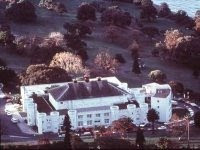
Sydney Conservatorium - my old school
Places I've lived: Auckland, NZ

Places I've Lived: Mount Gambier

Blue Lake
Places I've lived: Adelaide, SA

Places I've Lived: Perth by Day

From Kings Park
Places I've lived: High View, WV

Places I've lived: Lynton, Devon, UK

Places I've lived: Braemar, Scotland

Places I've lived: Barre, MA, USA

Places I've Lived: Perth by Night

From Kings Park
Inner Peace Blog

Awarded by Joanna Fay. Click on the image to visit her lovely website!
Versatile Blogger Award

Awarded by Kim Falconer. Click on the pic to check out her Quantum Astrology blog!
Fabulous Blog Award

Awarded by Kathryn Warner. Click on the pic to check out her Edward II blog!
Sunday, 30 March 2008
Amazonian bullying
 Sunday, March 30, 2008 |
  Posted by
Satima Flavell
Posted by
Satima Flavell
In publishing, its seems, everything is loaded against the small operator. Last year we had that nasty business of the big Australian bookseller, Angus and Robertson, trying to bully small publishers into unfavourable contracts. Now it looks as though Amazon.com has come up with another way to tighten the thumbscrews.
Amazon is apparently trying to force independent Print-On-Demand-based publishers to use its BookSurge POD service. They are being told they that if they don't switch to BookSurge, the "buy" button on their Amazon.com book pages will be "turned off." If they refuse, they will be offered an alternative: they will be allowed to offer their books on Amazon under a plan whereby Amazon takes a 55% cut plus an annual registration fee and the sellers pay to send their books to Amazon's warehouses. If this kind of thing isn't tantamount to trying to establish a monopoly I don't know what is.
If this scheme goes ahead I will be boycotting Amazon and I'm sure many other people will, too. I have several friends who are published by small presses here or overseas, and those small presses in North America will go out of business if they refuse to co-operate with Amazon, their main outlet.
Read more at Writers Weekly or at Writer Beware, a publishing industry watchdog group sponsored by the Science Fiction and Fantasy Writers of America. This, BTW, is an excellent site for getting the low-down on literary scams, schemes and pitfalls.
Amazon is apparently trying to force independent Print-On-Demand-based publishers to use its BookSurge POD service. They are being told they that if they don't switch to BookSurge, the "buy" button on their Amazon.com book pages will be "turned off." If they refuse, they will be offered an alternative: they will be allowed to offer their books on Amazon under a plan whereby Amazon takes a 55% cut plus an annual registration fee and the sellers pay to send their books to Amazon's warehouses. If this kind of thing isn't tantamount to trying to establish a monopoly I don't know what is.
If this scheme goes ahead I will be boycotting Amazon and I'm sure many other people will, too. I have several friends who are published by small presses here or overseas, and those small presses in North America will go out of business if they refuse to co-operate with Amazon, their main outlet.
Read more at Writers Weekly or at Writer Beware, a publishing industry watchdog group sponsored by the Science Fiction and Fantasy Writers of America. This, BTW, is an excellent site for getting the low-down on literary scams, schemes and pitfalls.

Wednesday, 26 March 2008
Swancon - the Final Report!
Wednesday, March 26, 2008 |
Posted by
Satima Flavell
One last post on Swancon and then I must set it aside for another year. A terrible thought - what if I can’t be here next year? I’ve been extraordinarily fortunate to have been able to cross the Nullarbor this time, so I won’t count on coming again. But there are other cons in other cities. In fact, there are plans for next year’s Natcon to be in Adelaide, which would be brilliant.
But Swancon was wonderful and my heart is still singing. Of course, I loved the Fantasy panels, including the one I mentioned in my Saturday post called “A Point of Difference: Standing out in Fantasy Fiction”, which involved Glenda Larke, Juliet Marillier, Bevan McGuiness and Karen Miller. There was another good one on Friday, called “Story Building” with Lee Battersby, Bevan McGuiness and Karen Miller. They were discussing the way they put their stories together and I was relieved to find that they are all “flimmerers” – they start with a beginning, probably an ending and possibly some bits in the middle – but they do not write strict outlines. Now I’ve been writing by this method for ten years and still can’t plot my way out of a paper bag. Listening to these guys I realised they have a gift that I missed out on. All of them can access the unconscious almost at will. That was a revelation to me! I caught Bevan McGuiness later and he agreed: this skill is an essential one for a fiction writer. He mentioned a book by Ayn Rand called “The Art of Fiction”. I googled for it and found a whole Wikipedia article on it here. Well worth reading, from the looks of it – but can this skill be learned? I’m not sure, but if I’m ever going to finish the never ending trilogy I’m going to have to try.
Glenda Larke gave a superb Guest of Honour Speech in which she drew together the many and varied threads of her life. She lives in Malaysia and when not writing fantasy, works as an ornithologist. Her blog (see link above left, under my picture) always makes interesting reading and her GoH talk was likewise engrossing. She gave an excellent writing workshop at the con –no extra charge! – which I also enjoyed very much. It was about “Mistakes Beginners Make” and I’ve made them all. Does that mean that maybe I’m not quite a beginner any more?
Space Opera, it seems, is back in fashion. I sat in on a panel given by Ken McLeod, the overseas Guest of Honour, with Karl Schroeder and Sean Williams. They began with a history of the sub-genre, which was a Good Thing for me, since I haven't read anything in this line for years. At one time, I quite enjoyed the works of Isaac Asimov and E.E. "Doc" Smith, but I quickly got sick of the sexist attitudes of the characters, which undoubtedly reflected those of the authors. Asimov, Smith and others of their ilk were men of their time, and we cannot blame them for that, but by the 1960s feminism was already burgeoning. While I had no desire to burn my bra or climb a corporate ladder, I was glad to get a breath of fresh air after the stultifying atmosphere of the fifties. And in the seventies I discovered Anne McCaffrey, so Asimov et al stayed on the bookshelf.
But the New Space Opera, they told us, is darker, meatier, grittier and much more accessible by women. In fact, Aussie author Marianne de Pierres writes it, and, I believe, does it well. I have only read Marianne's Parrish Plessis novels but I shall have to dip into her Dark Space and its sequels to find out if the New Space Opera is something I might grow to love.
One of the last panels was one of the best: In “Writing for Television: A Guide for New Writers”, Grant Watson facilitated a conversation between Rob Shearman, who wrote the Dr Who episode “Daleks” in the recent series, and Graeme Watson, also a script writer of note. It was very entertaining and informative.
The Academic stream, called “SF Histories”, was the most ambitious such program I’ve come across and some say it was the best and most thorough ever presented in Australia. Over twenty papers were read in just two days, in a kind of forced brain-feeding that left the head whirling. I only heard three or four of the papers, but Cathy Cupitt has blogged “notes on several papers from the Academic Stream and some other thinky panels” here while Dr Stephen Dedman, organiser of next year’s academic stream, has even put out “a very early call for papers - on SF, Fantasy, Horror, Slipstream, Futurism, Astronomy, Spaceflight, Forensics, Robotics, Exobiology...” here. I’d like to see Academic streams given due credibility both by fandom and academia. They are heading that way, it seems, for this year’s stream was supported by Curtin University and fans ran back and forth between the regular panels and activities and the academic stream.
The best part about cons is the happiness they generate. Being with like-minded people opens the heart and mind better than almost anything else. Suddenly, the world is heaven, and all one’s friends are angels. As well as enjoying the company of writers, editors, reviewers and publishers I already know, including Lee and Lyn Battersby, Shane Jiraiya Cummings, Stephen Dedman, Sonia Helbig, Glenda Larke, Dave Luckett, Juliet Marillier, Karen Miller, Marianne de Pierres, Carol Ryles, Cat Sparkes, Helen Venn and Jessica Vivien, I also finally met others whom I’d only known by repute or via e-mail, including Trudi Canavan, Brendan Carson, Russell B. Farr, Edwina Harvey, Bevan McGuiness, Joel Shepherd, Sean Williams and Damien Warman. Damien, BTW, is the point person for next year’s projected Natcon in Adelaide. I hope I’ll be able to become involved in getting that up and running, for South Australia has never had a con. It should have, because lots of writers live there, including Fiona McIntosh and Sean Williams.
As a Swancon bonus, I got my grasping hands on two lovely new books to review. One is a historical YA novel called Escape by Sea, by L.S. Lawrence, who is really a specfic writer with the initials D.L. but I’m not allowed to mention the two names in the same context. It’s a rip roaring adventure story with a cliff hanger at the end of each chapter. The other book is a magnificent coffee-table tome by Pat McNamara, Michal DutRiewicz and Gary Turner. Entitled The Last Realm: Book One: Dragonscarpe. It is a visual treat with dragons, knights, wicked villains and fair maidens leaping from every page. Both are already available but my reviews won’t appear in The Specusphere until May.
OK, I promise not to mention Swancon again for a while. Well, not very much. Maybe a little bit, now and then, to remind you how good it is and how you all ought to come next year.
But Swancon was wonderful and my heart is still singing. Of course, I loved the Fantasy panels, including the one I mentioned in my Saturday post called “A Point of Difference: Standing out in Fantasy Fiction”, which involved Glenda Larke, Juliet Marillier, Bevan McGuiness and Karen Miller. There was another good one on Friday, called “Story Building” with Lee Battersby, Bevan McGuiness and Karen Miller. They were discussing the way they put their stories together and I was relieved to find that they are all “flimmerers” – they start with a beginning, probably an ending and possibly some bits in the middle – but they do not write strict outlines. Now I’ve been writing by this method for ten years and still can’t plot my way out of a paper bag. Listening to these guys I realised they have a gift that I missed out on. All of them can access the unconscious almost at will. That was a revelation to me! I caught Bevan McGuiness later and he agreed: this skill is an essential one for a fiction writer. He mentioned a book by Ayn Rand called “The Art of Fiction”. I googled for it and found a whole Wikipedia article on it here. Well worth reading, from the looks of it – but can this skill be learned? I’m not sure, but if I’m ever going to finish the never ending trilogy I’m going to have to try.
Glenda Larke gave a superb Guest of Honour Speech in which she drew together the many and varied threads of her life. She lives in Malaysia and when not writing fantasy, works as an ornithologist. Her blog (see link above left, under my picture) always makes interesting reading and her GoH talk was likewise engrossing. She gave an excellent writing workshop at the con –no extra charge! – which I also enjoyed very much. It was about “Mistakes Beginners Make” and I’ve made them all. Does that mean that maybe I’m not quite a beginner any more?
Space Opera, it seems, is back in fashion. I sat in on a panel given by Ken McLeod, the overseas Guest of Honour, with Karl Schroeder and Sean Williams. They began with a history of the sub-genre, which was a Good Thing for me, since I haven't read anything in this line for years. At one time, I quite enjoyed the works of Isaac Asimov and E.E. "Doc" Smith, but I quickly got sick of the sexist attitudes of the characters, which undoubtedly reflected those of the authors. Asimov, Smith and others of their ilk were men of their time, and we cannot blame them for that, but by the 1960s feminism was already burgeoning. While I had no desire to burn my bra or climb a corporate ladder, I was glad to get a breath of fresh air after the stultifying atmosphere of the fifties. And in the seventies I discovered Anne McCaffrey, so Asimov et al stayed on the bookshelf.
But the New Space Opera, they told us, is darker, meatier, grittier and much more accessible by women. In fact, Aussie author Marianne de Pierres writes it, and, I believe, does it well. I have only read Marianne's Parrish Plessis novels but I shall have to dip into her Dark Space and its sequels to find out if the New Space Opera is something I might grow to love.
One of the last panels was one of the best: In “Writing for Television: A Guide for New Writers”, Grant Watson facilitated a conversation between Rob Shearman, who wrote the Dr Who episode “Daleks” in the recent series, and Graeme Watson, also a script writer of note. It was very entertaining and informative.
The Academic stream, called “SF Histories”, was the most ambitious such program I’ve come across and some say it was the best and most thorough ever presented in Australia. Over twenty papers were read in just two days, in a kind of forced brain-feeding that left the head whirling. I only heard three or four of the papers, but Cathy Cupitt has blogged “notes on several papers from the Academic Stream and some other thinky panels” here while Dr Stephen Dedman, organiser of next year’s academic stream, has even put out “a very early call for papers - on SF, Fantasy, Horror, Slipstream, Futurism, Astronomy, Spaceflight, Forensics, Robotics, Exobiology...” here. I’d like to see Academic streams given due credibility both by fandom and academia. They are heading that way, it seems, for this year’s stream was supported by Curtin University and fans ran back and forth between the regular panels and activities and the academic stream.
The best part about cons is the happiness they generate. Being with like-minded people opens the heart and mind better than almost anything else. Suddenly, the world is heaven, and all one’s friends are angels. As well as enjoying the company of writers, editors, reviewers and publishers I already know, including Lee and Lyn Battersby, Shane Jiraiya Cummings, Stephen Dedman, Sonia Helbig, Glenda Larke, Dave Luckett, Juliet Marillier, Karen Miller, Marianne de Pierres, Carol Ryles, Cat Sparkes, Helen Venn and Jessica Vivien, I also finally met others whom I’d only known by repute or via e-mail, including Trudi Canavan, Brendan Carson, Russell B. Farr, Edwina Harvey, Bevan McGuiness, Joel Shepherd, Sean Williams and Damien Warman. Damien, BTW, is the point person for next year’s projected Natcon in Adelaide. I hope I’ll be able to become involved in getting that up and running, for South Australia has never had a con. It should have, because lots of writers live there, including Fiona McIntosh and Sean Williams.
As a Swancon bonus, I got my grasping hands on two lovely new books to review. One is a historical YA novel called Escape by Sea, by L.S. Lawrence, who is really a specfic writer with the initials D.L. but I’m not allowed to mention the two names in the same context. It’s a rip roaring adventure story with a cliff hanger at the end of each chapter. The other book is a magnificent coffee-table tome by Pat McNamara, Michal DutRiewicz and Gary Turner. Entitled The Last Realm: Book One: Dragonscarpe. It is a visual treat with dragons, knights, wicked villains and fair maidens leaping from every page. Both are already available but my reviews won’t appear in The Specusphere until May.
OK, I promise not to mention Swancon again for a while. Well, not very much. Maybe a little bit, now and then, to remind you how good it is and how you all ought to come next year.
 Labels:
Tuesday, 25 March 2008
Satima, What's a Swancon?
Tuesday, March 25, 2008 |
Posted by
Satima Flavell
This time last year I was in Europe. I attended the Easter Eve service in a little country church in the Rhine Valley with my dear friend and cousin-by-marriage, Elfriede. A week later, I was back in England, catching up with Diana in London, and after that I met up with my Canadian e-cousin, Alison. We spent a wonderful weekend in the lovely medieval city of Winchester. The beauty and magnificence of that town’s famous cathedral will linger in my heart and mind forever, as will the delightful time spent in Alison’s company. That trip was one of the highlights of my life to date, giving me, as it did, opportunities to meet face-to-face with people I'd communicated with via the internet through our mutual interest in family history. This year at this time, my focus is on another of my passions - speculative fiction.
Alison and I chat regularly on Facebook, and yesterday I received a puzzled message from her. “Satima,” she asked, “what is a Swancon?” She had noted my excited posts to all and sundry, counting down the days to my favourite Easter activity. But living in Nova Scotia, how could she know that Swancon is the annual convention held by Perth’s speculative arts community since 1975? The black swan, you see, is Western Australia’s animal emblem, and the word convention is universally abbreviated to “con” by the communities that raise and support them. Hence “Swancon”.
A report on Swancon can only be like a report from one of the Blind Men in the Buddha’s parable of the elephant. You can feel the trunk, the ears, a leg or the tail, but never all four at once. In fact, Swancon is even worse, for as well as four streams of games, panels and talks running simultaneously, there is an art show and an auction/market. And although the attendees are all speculative arts enthusiasts, none has yet managed the art of even bi-location, let alone sesqui-location, so it just isn't possible to attend everything.
It seems to me that attendees fall into categories, and I shall attempt to delineate them for you: the Flavell system of sorting con-goers. First, there are the Readers, many of whom aspire to write - I count myself in this category. Then there are the Academics: people who are studying for masters or doctoral degrees or who are involved in lecturing or the archiving of speculative materials. Next, we have the Gamers, who can discuss World of Warcraft (or whatever game constitutes their particular addiction) in minute detail and aim to thrash the pants off anyone else addicted to the same pastime. There are also the Professionals – writers, publishers, artists and retailers, who, as well as loving the speculative arts, obviously have an interest in promoting their wares. And the biggest category of all is made up of the Fans, who just love attending cons for their own sake. Many of them are not only widely read, but can also discuss movies, TV shows, comics and the history of the speculative genres in considerable depth. However, it is apparent that fellowship is their main reason for attending cons. Many fans seldom go to talks or panels, but hang out in the foyer or one of the other open spaces, catching up on gossip and discussing the latest trends in things speculative.
There is considerable overlap among these divisions – most attendees would fit into more than one of them. The true Fans, however, can be identified by their almost universal proclivity for black clothes. (At least this has been true of every con I’ve attended, so if it isn’t universally so, blame my ignorance for the sweeping statement.) One almost starts to think that black clothing is compulsory, for in the foyer and the panel rooms one is surrounded by a veritable sea of black garments, with hardly a flash of colour in sight. I learnt after my first con to wear at least one black article so as not to look too eccentric.
Fans are the wonderful, hard-working people who make up the committees, do the fundraising and organizing and oversee the smooth running of the event. And it takes some doing. Fans form teams that vie with each other for the privilege of organising the next-but-one convention: that’s how long it takes to pull all the elements together. I dips me lid to these guys. This year’s event was organised by Anna Hepworth, Elaine Walker, Linda Deegan, Grant Watson, Dave Cake and a strong support crew. They deserve medals, every last one of them. Planning for next year’s event, to be held from 9-13 April 2009, is in the hard-working hands of PRK and his team. They already have Guests of Honour lined up and are busy planning fundraising events for the coming year.
Next time, I’ll give you more on the panels I attended and the other activities available to con-goers, but that’s enough for one lesson. Class dismissed:-)
Alison and I chat regularly on Facebook, and yesterday I received a puzzled message from her. “Satima,” she asked, “what is a Swancon?” She had noted my excited posts to all and sundry, counting down the days to my favourite Easter activity. But living in Nova Scotia, how could she know that Swancon is the annual convention held by Perth’s speculative arts community since 1975? The black swan, you see, is Western Australia’s animal emblem, and the word convention is universally abbreviated to “con” by the communities that raise and support them. Hence “Swancon”.
A report on Swancon can only be like a report from one of the Blind Men in the Buddha’s parable of the elephant. You can feel the trunk, the ears, a leg or the tail, but never all four at once. In fact, Swancon is even worse, for as well as four streams of games, panels and talks running simultaneously, there is an art show and an auction/market. And although the attendees are all speculative arts enthusiasts, none has yet managed the art of even bi-location, let alone sesqui-location, so it just isn't possible to attend everything.
It seems to me that attendees fall into categories, and I shall attempt to delineate them for you: the Flavell system of sorting con-goers. First, there are the Readers, many of whom aspire to write - I count myself in this category. Then there are the Academics: people who are studying for masters or doctoral degrees or who are involved in lecturing or the archiving of speculative materials. Next, we have the Gamers, who can discuss World of Warcraft (or whatever game constitutes their particular addiction) in minute detail and aim to thrash the pants off anyone else addicted to the same pastime. There are also the Professionals – writers, publishers, artists and retailers, who, as well as loving the speculative arts, obviously have an interest in promoting their wares. And the biggest category of all is made up of the Fans, who just love attending cons for their own sake. Many of them are not only widely read, but can also discuss movies, TV shows, comics and the history of the speculative genres in considerable depth. However, it is apparent that fellowship is their main reason for attending cons. Many fans seldom go to talks or panels, but hang out in the foyer or one of the other open spaces, catching up on gossip and discussing the latest trends in things speculative.
There is considerable overlap among these divisions – most attendees would fit into more than one of them. The true Fans, however, can be identified by their almost universal proclivity for black clothes. (At least this has been true of every con I’ve attended, so if it isn’t universally so, blame my ignorance for the sweeping statement.) One almost starts to think that black clothing is compulsory, for in the foyer and the panel rooms one is surrounded by a veritable sea of black garments, with hardly a flash of colour in sight. I learnt after my first con to wear at least one black article so as not to look too eccentric.
Fans are the wonderful, hard-working people who make up the committees, do the fundraising and organizing and oversee the smooth running of the event. And it takes some doing. Fans form teams that vie with each other for the privilege of organising the next-but-one convention: that’s how long it takes to pull all the elements together. I dips me lid to these guys. This year’s event was organised by Anna Hepworth, Elaine Walker, Linda Deegan, Grant Watson, Dave Cake and a strong support crew. They deserve medals, every last one of them. Planning for next year’s event, to be held from 9-13 April 2009, is in the hard-working hands of PRK and his team. They already have Guests of Honour lined up and are busy planning fundraising events for the coming year.
Next time, I’ll give you more on the panels I attended and the other activities available to con-goers, but that’s enough for one lesson. Class dismissed:-)
Good News from Enzed
Tuesday, March 25, 2008 |
Posted by
Satima Flavell
I'll continue with Swancon later, but this deserves a post of its own! At the New Zealand Natcon, which, like Swancon, ran over Easter, Juliet Marillier's book Cybele's Secret was voted "Best YA Novel" in the Sir Julius Vogel Awards. Yay - go Cybele: go Juliet!
Monday, 24 March 2008
Swancon's over and I'm sad
Monday, March 24, 2008 |
Posted by
Satima Flavell
Well, maybe not really sad. Kind of happy sad. It was a wonderful con and there is so much to blog I don't know where to start. I think maybe I need a night's sleep first. Suffice it to say that I've been going to Swancon since 2003 or thereabouts and this was the best one yet. Perhaps that's at least in part because I know more people now. The con-going community is like one huge extended family, with some cousins you know well and feel at ease with, others you like but aren't too sure of and still others who are friends you just don't know yet. This year I caught up with loads of old friends and colleagues and made some new acquaintances. Some of those I already "knew" from Facebook and the blog round and some were introduced to me at the con. Tomorrow I'll look up all their blogs or web pages and make links.
You'll be glad to know the two panels I was involved with went OK, and I emerged unscathed. One was entitled "Girl Meets Boy: Romance in Fantasy". I felt really honoured to be on the dais with Glenda Larke and Juliet Marillier, to say nothing of fellow fan Ju Landeesse who is a much more experienced con-goer than I. Glenda Larke has a photo of this panel up on her blog. (See link up left, under my photo.) Juliet is holding forth (very knowledgeably, I might add) and I look like a stunned mullett, probably at the realisation of actually being up on a panel beside her. Juliet chaired this panel very skilfully, I thought. It can be hard to keep panels on track as some enthusiasts from the audience tend to get excited and throw in comments with wild abandon, sometimes to the point of being quite disruptive. Not on this panel, though: everyone was very well-behaved:-) We each nominated our favourite romances in Fantasy, and there was a surprising degree of agreement. We three older women loved Jacqueline Carey and Guy Gavriel Kay, although Ju, perhaps because she is younger and has different tastes, selected works by Anne Bishop, Louise McMaster Bujold and Scott Westerfield as her faves.
The other panel I was on was called "Critiquing: how much is too much" and here again Juliet was a great chair. The other panellists were Lee Battersby, Robert Hoge and Cat Sparks. I forgot to get anyone to take pix of that one, darnit. Just be assured we were all confident, well prepared and extremely knowledgeable. Well, the others were, anyway:-) We all agreed, I think, that crit groups can be useful provided the members all have the same aims (it's no good putting occasional writers in with intending professionals) and are willing and able to critique each other's work in an open-minded and open-hearted manner. Everyone, it seemed, had some experience of being in groups that just weren't working for them, and we all agreed that it's best to move on when that happens.
I'll come back tomorrow with lots of links and a bit about the panels and talks I liked best. But right now I really must go to bed!
You'll be glad to know the two panels I was involved with went OK, and I emerged unscathed. One was entitled "Girl Meets Boy: Romance in Fantasy". I felt really honoured to be on the dais with Glenda Larke and Juliet Marillier, to say nothing of fellow fan Ju Landeesse who is a much more experienced con-goer than I. Glenda Larke has a photo of this panel up on her blog. (See link up left, under my photo.) Juliet is holding forth (very knowledgeably, I might add) and I look like a stunned mullett, probably at the realisation of actually being up on a panel beside her. Juliet chaired this panel very skilfully, I thought. It can be hard to keep panels on track as some enthusiasts from the audience tend to get excited and throw in comments with wild abandon, sometimes to the point of being quite disruptive. Not on this panel, though: everyone was very well-behaved:-) We each nominated our favourite romances in Fantasy, and there was a surprising degree of agreement. We three older women loved Jacqueline Carey and Guy Gavriel Kay, although Ju, perhaps because she is younger and has different tastes, selected works by Anne Bishop, Louise McMaster Bujold and Scott Westerfield as her faves.
The other panel I was on was called "Critiquing: how much is too much" and here again Juliet was a great chair. The other panellists were Lee Battersby, Robert Hoge and Cat Sparks. I forgot to get anyone to take pix of that one, darnit. Just be assured we were all confident, well prepared and extremely knowledgeable. Well, the others were, anyway:-) We all agreed, I think, that crit groups can be useful provided the members all have the same aims (it's no good putting occasional writers in with intending professionals) and are willing and able to critique each other's work in an open-minded and open-hearted manner. Everyone, it seemed, had some experience of being in groups that just weren't working for them, and we all agreed that it's best to move on when that happens.
I'll come back tomorrow with lots of links and a bit about the panels and talks I liked best. But right now I really must go to bed!
Saturday, 22 March 2008
Quick update on Swancon
Saturday, March 22, 2008 |
Posted by
Satima Flavell
This is just an interim post to tell you all how much fun I'm having at Swancon. It is wonderful to be among like-minded souls and to listen to talks and panels on a wide range of topics by a variety of knowledgeable people. This afternoon there was one of the best panels - Glenda Larke, Juliet Marillier, Karen Mills and Bevan McGuiness discussing "How to stand out in fantasy". While the content was interesting and encouraging, the main thing that gripped me was the sincerity and enthusiasm of all four writers. My favourite writers are all very dedicated people. I guess you have to be to stick at a job where the money isn't all that crash hot and you only have a job for as long as you can go on turning out good books. I am so filled with affection and admiration for these special people that my heart always feels open and joyful when I'm at a convention. And that, friends, is the very best thing about cons:-)
I'll post a more thorough report on Tuesday, or maybe even Monday night. May you also have open and happy hearts in the meantime!
I'll post a more thorough report on Tuesday, or maybe even Monday night. May you also have open and happy hearts in the meantime!
Sunday, 16 March 2008
Modern Writing Techniques
Sunday, March 16, 2008 |
Posted by
Satima Flavell
As promised and procrastinated, here is the gist of the workshop I gave to the Mount Gambier U3A group a few weeks ago. Titled "Creative writing the modern way", the workshop was only two hours long and into that short time I managed to compress material that could easily be expanded into a whole writing course. It was a valuable experience for me because the elements I talked about are all things I am still working on myself. There is no surer way to learn something than to teach it to others, since in the preparation and teaching of new material the instructor's thoughts and opinions are clarified and gaps in his or her knowledge are made glaringly apparent.
U3A patrons are generally over 55, which means they grew up with very different styles of writing from those of today. Authorial intrusion, "head hopping", fly-on-the-wall description and sometimes quite floridly purple prose were commonly used until about 1960s. By that time, movies and television had begun to impact on reader expectations, and by the turn of the new century readers were deserting books in droves and turning to more visual forms of entertainment.
But writers were striking back! They realised that in order to compete with the visual media, books must give the reader a sense of immersion in the story's world and in the sensations, emotions and thoughts of the point-of-view character. Action began to play a critical role: something has to happen on page one and be followed by a tension-building series of events to keep readers enthralled for anything up to 900 pages. A tall order.
The notes I handed out to the students encapsulate the material presented in the two hour workshop:
1. Start “In Media Res”
Get right into the action, preferably on page one!
2. Show, don’t tell: use plenty of sensory description
At the end of any scene, three of the five senses must have been engaged. (This is not new: the Russian playwright Anton Chekhov, who died in 1904, said, “Don’t tell me the moon is shining; show me the glint of light on broken glass.”)
Compare these two passages:
Her visitor strode across the room, swung his pack from his back to the floor and bent to kiss her cheek before taking the seat opposite hers.
There’s nothing wrong with that. It gets across what happened in a few succinct words. But look at this rewrite:
He brought a draught of cold air with him as strode across the room. Shrugging free of his pack he tossed it to the floor and caught her in a hug. Laughing, she threw her arms around the rough dewy wool of his cloak. She tilted her cheek up to his as he bent to kiss her, suppressing a shudder at the sudden chill contact.
Exercise: Write a paragraph showing a meeting between two people that tells us more than the fact that one is waiting and the other arrives.
3. Voice and narrative style
• Editorial (or intrusive)
• Neutral (or non-intrusive)
• Invisible author – today’s preferred style. Requires use of plenty of sensory detail and the “close” (or “tight”) 3rd person POV.
4. Point-of-view (POV)
The “close third” limits itself to the sensory information available to the point of view character, even in the narrative passages.
Compare these two passages:
Cinderella looked beautiful and important in her new gown and little gold bell-shaped earrings. Her eyes sparkled in the firelight as she twirled across the kitchen floor. ‘I’m going to the ball!’ she exclaimed. ‘I’m really, truly, going!
If Cinders is the POV character, in close 3rd you might write something like:
Cinderella had never felt so beautiful, so important. The silk of the gown caressed her skin and the golden bell earrings jingled as she twirled across the kitchen floor. ‘I’m going to the ball! I’m really, truly, going!’
Exercise: Rewrite this passage in close 3rd POV:
Red Riding Hood’s voice carried to the edge of the forest as she sang all the way to grandma’s house. She stopped singing and her face paled when she saw a wolf padding along the path towards her.
5. The Unities
Many modern stories honour a revised version of Aristotle’s unities:
• A story should have only one POV character. (Usually presented in close 3rd POV but sometimes in 1st)
• A story should follow temporal sequence with no gaps in the narrative and few, if any, flashbacks.
(While these are by no means universally observed, few popular writers today adopt the opposite extremes – “head hopping” and messing around with the time line.)
6. Beats and Tags
The tight third POV uses as few dialogue attribution tags (“he said”, “she grumbled”, “he thought”) as possible and often replaces them with “action beats” (“He crossed the room”, “She put her book down”)
7. Strong Writing
Insofar as possible, steer clear of adjectives and adverbs. If you feel you have to add an adjective, look for a stronger noun instead. If you feel you have to use an adverb, you possibly have the wrong verb.
And that's my workshop in a hazelnut shell. In the interest of brevity, the notes are simplified to a degree that might even be misleading, but they suffice, I hope to give you an idea of the points we discussed, and I'll be interested in reading your opinions of the points I chose. You will notice that I drew on the excellent assistance I had from Ursula and others on the Online Writers Workshop, which I mentioned in an earlier post.
Next weekend is Easter, which each year brings Swancon, Western Australia's Speculative Fiction Convention. It looks to be a beauty (this year it's also the National Convention) with several of my favourite authors on panels, including Glenda Larke, Juliet Marillier and Karen Miller. I'm actually going to be on two panels alongside some very fine writers. I expect to learn a lot! I might be late posting next week as the convention doesn't end until Monday afternoon, but never fear, I'll soon come tiggering back with a full report!
BTW, over on my other blog, I've posted a new Shakespearean meme, together with a lament about the lack of interest in Shakespeare among the younger generations:-(
U3A patrons are generally over 55, which means they grew up with very different styles of writing from those of today. Authorial intrusion, "head hopping", fly-on-the-wall description and sometimes quite floridly purple prose were commonly used until about 1960s. By that time, movies and television had begun to impact on reader expectations, and by the turn of the new century readers were deserting books in droves and turning to more visual forms of entertainment.
But writers were striking back! They realised that in order to compete with the visual media, books must give the reader a sense of immersion in the story's world and in the sensations, emotions and thoughts of the point-of-view character. Action began to play a critical role: something has to happen on page one and be followed by a tension-building series of events to keep readers enthralled for anything up to 900 pages. A tall order.
The notes I handed out to the students encapsulate the material presented in the two hour workshop:
1. Start “In Media Res”
Get right into the action, preferably on page one!
2. Show, don’t tell: use plenty of sensory description
At the end of any scene, three of the five senses must have been engaged. (This is not new: the Russian playwright Anton Chekhov, who died in 1904, said, “Don’t tell me the moon is shining; show me the glint of light on broken glass.”)
Compare these two passages:
Her visitor strode across the room, swung his pack from his back to the floor and bent to kiss her cheek before taking the seat opposite hers.
There’s nothing wrong with that. It gets across what happened in a few succinct words. But look at this rewrite:
He brought a draught of cold air with him as strode across the room. Shrugging free of his pack he tossed it to the floor and caught her in a hug. Laughing, she threw her arms around the rough dewy wool of his cloak. She tilted her cheek up to his as he bent to kiss her, suppressing a shudder at the sudden chill contact.
Exercise: Write a paragraph showing a meeting between two people that tells us more than the fact that one is waiting and the other arrives.
3. Voice and narrative style
• Editorial (or intrusive)
• Neutral (or non-intrusive)
• Invisible author – today’s preferred style. Requires use of plenty of sensory detail and the “close” (or “tight”) 3rd person POV.
4. Point-of-view (POV)
The “close third” limits itself to the sensory information available to the point of view character, even in the narrative passages.
Compare these two passages:
Cinderella looked beautiful and important in her new gown and little gold bell-shaped earrings. Her eyes sparkled in the firelight as she twirled across the kitchen floor. ‘I’m going to the ball!’ she exclaimed. ‘I’m really, truly, going!
If Cinders is the POV character, in close 3rd you might write something like:
Cinderella had never felt so beautiful, so important. The silk of the gown caressed her skin and the golden bell earrings jingled as she twirled across the kitchen floor. ‘I’m going to the ball! I’m really, truly, going!’
Exercise: Rewrite this passage in close 3rd POV:
Red Riding Hood’s voice carried to the edge of the forest as she sang all the way to grandma’s house. She stopped singing and her face paled when she saw a wolf padding along the path towards her.
5. The Unities
Many modern stories honour a revised version of Aristotle’s unities:
• A story should have only one POV character. (Usually presented in close 3rd POV but sometimes in 1st)
• A story should follow temporal sequence with no gaps in the narrative and few, if any, flashbacks.
(While these are by no means universally observed, few popular writers today adopt the opposite extremes – “head hopping” and messing around with the time line.)
6. Beats and Tags
The tight third POV uses as few dialogue attribution tags (“he said”, “she grumbled”, “he thought”) as possible and often replaces them with “action beats” (“He crossed the room”, “She put her book down”)
7. Strong Writing
Insofar as possible, steer clear of adjectives and adverbs. If you feel you have to add an adjective, look for a stronger noun instead. If you feel you have to use an adverb, you possibly have the wrong verb.
And that's my workshop in a hazelnut shell. In the interest of brevity, the notes are simplified to a degree that might even be misleading, but they suffice, I hope to give you an idea of the points we discussed, and I'll be interested in reading your opinions of the points I chose. You will notice that I drew on the excellent assistance I had from Ursula and others on the Online Writers Workshop, which I mentioned in an earlier post.
Next weekend is Easter, which each year brings Swancon, Western Australia's Speculative Fiction Convention. It looks to be a beauty (this year it's also the National Convention) with several of my favourite authors on panels, including Glenda Larke, Juliet Marillier and Karen Miller. I'm actually going to be on two panels alongside some very fine writers. I expect to learn a lot! I might be late posting next week as the convention doesn't end until Monday afternoon, but never fear, I'll soon come tiggering back with a full report!
BTW, over on my other blog, I've posted a new Shakespearean meme, together with a lament about the lack of interest in Shakespeare among the younger generations:-(
Sunday, 9 March 2008
Writers Week and other delights
Sunday, March 09, 2008 |
Posted by
Satima Flavell
I can now say that I've "done" the famous Adelaide Writers Week. I have a long way to go to catch up with my friend and hostess Annalou, though, as she's been a regular attendee for a couple of decades and is an old hand now. Of course, every year is different, since the organisers invite a wide variety of guests each time. This year we were regaled by speakers as disparate as William McInnes (who is probably better known to most people as an actor) Germaine Greer, Ian McEwan and Gabrielle Lord. One surprise was the presence of Sister Veronica Brady, who was launching her book The God-Shaped Hole. I have long admired Brady: despite being a nun, she was already known as a feminist and an activist when I was doing my Religious Studies degree twenty years ago.
It's simply not possible to hear all the speakers, since they run a double program, split between two massive tents. Furthermore, the weather was not kind: it was in the high thirties Celsius (that's around the century in old money) and I didn't go in every day. Even Annalou took one full day and a couple of half days off. One could become exhausted through over-stimulation otherwise, quite apart from the unfriendly weather.
I could only identify two Speculative Fiction writers: Margo Lanagan and Lian Hearn (Hearn attracted a bunch of SF fans who brought a breath of fresh air to the rarified atmosphere with their enthusiastic questions and cheering of their favourite) although we must not forget that Gabrielle Lord put a toe or two into SF before she finally settled on Crime as her favoured genre. One of the last panels was called "Friday Crime", and it included Marshall Browne, Garry Disher and Denise Mina as well as Ms Lord. (Mina, by the way, is a hoot, and she also has a delicious Scots accent with a hint of her Irish heritage thrown in.) It was a breath of fresh air to hear this quartet jibe gently against their literary brethren, who, I regret to say, did sometimes come across as more than a little precious and snobbish. On another panel, Margo Lanagan obviously felt she'd had enough of it when she said, "You were supposed to get Amanda Lohrey on this panel. If she'd been here, when all the penises were out on the table she could've put her brain down alongside them". This brought a huge round of applause as well as a good laugh.
Not that laughter was lacking: most speakers were intelligent, amusing and not at all wanky. One of my favourites was Tim Parks, a British academic now living in Italy. He spoke with humour and sincerity on the art of essay writing and on translation. Nor did Lanagan need to apologise for not being Lohrey: she spoke extremely well on a panel called "Rules and how to break them". She assured us that rules - which are always changing - are secondary to good writing. "The cream," she assured us, "will rise. If you're not rising, you're not cream yet," which is as sound a piece of common sense as I've heard in a while. One "rule" she did mention, quoting Kurt Vonnegut, was Every character should want something, even if it's only a glass of water. Again, sound advice, especially to someone like me who has trouble carrying the tension forward. The following speaker, Matt Rubinstein, agreed that following rules is not as important as writing well. "By the time you've worked out the rules," he said, "they will have changed".
Now that, friends, is Bad News for me, since I feel I've only just got a handle on how to use the currently favoured Close Third POV with any degree of competence. That was the subject of the talk I gave to the Mount Gambier U3A writers a week or two ago, but I've rabbitted on enough for today so I'll expand on that next time, as promised. By then I'll be in Perth - huzzah and halleluia!
BTW, forgive my lack of blog-visiting. I've had only limited computer access and every different computer I use seems to present me with a new set of difficulties! All being well, I'll be back on the rounds next week.
It's simply not possible to hear all the speakers, since they run a double program, split between two massive tents. Furthermore, the weather was not kind: it was in the high thirties Celsius (that's around the century in old money) and I didn't go in every day. Even Annalou took one full day and a couple of half days off. One could become exhausted through over-stimulation otherwise, quite apart from the unfriendly weather.
I could only identify two Speculative Fiction writers: Margo Lanagan and Lian Hearn (Hearn attracted a bunch of SF fans who brought a breath of fresh air to the rarified atmosphere with their enthusiastic questions and cheering of their favourite) although we must not forget that Gabrielle Lord put a toe or two into SF before she finally settled on Crime as her favoured genre. One of the last panels was called "Friday Crime", and it included Marshall Browne, Garry Disher and Denise Mina as well as Ms Lord. (Mina, by the way, is a hoot, and she also has a delicious Scots accent with a hint of her Irish heritage thrown in.) It was a breath of fresh air to hear this quartet jibe gently against their literary brethren, who, I regret to say, did sometimes come across as more than a little precious and snobbish. On another panel, Margo Lanagan obviously felt she'd had enough of it when she said, "You were supposed to get Amanda Lohrey on this panel. If she'd been here, when all the penises were out on the table she could've put her brain down alongside them". This brought a huge round of applause as well as a good laugh.
Not that laughter was lacking: most speakers were intelligent, amusing and not at all wanky. One of my favourites was Tim Parks, a British academic now living in Italy. He spoke with humour and sincerity on the art of essay writing and on translation. Nor did Lanagan need to apologise for not being Lohrey: she spoke extremely well on a panel called "Rules and how to break them". She assured us that rules - which are always changing - are secondary to good writing. "The cream," she assured us, "will rise. If you're not rising, you're not cream yet," which is as sound a piece of common sense as I've heard in a while. One "rule" she did mention, quoting Kurt Vonnegut, was Every character should want something, even if it's only a glass of water. Again, sound advice, especially to someone like me who has trouble carrying the tension forward. The following speaker, Matt Rubinstein, agreed that following rules is not as important as writing well. "By the time you've worked out the rules," he said, "they will have changed".
Now that, friends, is Bad News for me, since I feel I've only just got a handle on how to use the currently favoured Close Third POV with any degree of competence. That was the subject of the talk I gave to the Mount Gambier U3A writers a week or two ago, but I've rabbitted on enough for today so I'll expand on that next time, as promised. By then I'll be in Perth - huzzah and halleluia!
BTW, forgive my lack of blog-visiting. I've had only limited computer access and every different computer I use seems to present me with a new set of difficulties! All being well, I'll be back on the rounds next week.
Monday, 3 March 2008
On the road yet again
Monday, March 03, 2008 |
Posted by
Satima Flavell
Apologies to regular readers for the late posting. Sunday was a busy and slightly frustrating day because there was a problem getting internet access, so today I elected to forgo the delights of Writers Week and stay behind to catch up on e-mails and blogging. I also took the opportunity to wash my hair. At least, I call it hair, but it's more like the stuff that grows on sweetcorn - soft and limp and fly-away-in-the-slightest-breeze stuff. So on the day I wash my hair I never plan to go anywhere as the cornsilk will not allow itself to be confined until it has acquired a bit of dirt and grease. That takes, usually, about 24 - 36 hours. Yes, I do use gel. Yes, I do use mousse. Yes, I do use hair spray. The cornsilk laughs at them all.
My Adelaide hosts, Annalou and her husband David, have been most hospitable. Annalou picked me up from the bus station on Saturday evening and brought me to comfortable quarters at their home in the hills that surround this fair city. I've come to be on friendly terms with Buster, Rastus and Zelda - furry critters who live here - and have met son Hugo, who in the manner of many young adult children, came home to collect some washing. This is a pleasant area, generally cooler than the city, which means a lot when it's mid to high thirties Celsius!
David, Annalou and I spent Sunday running from one tent to another at the Writers Week campus. We heard William McInnes first, then a panel of four ex-pat writers talking on how this had influenced their work - each was a native of one place and a resident of another but none had either locale in common with any of the others, so it led to an interesting mix of cultural experiences. On thing stuck in my mind: that an emigrant and a refugee will have completely different mind-sets when it comes to settling down in a new place. The former is largely optimistic and forward-looking, while the latter is likely to feel a keen sense of loss for a long time, if not permanently. These attitudes cannot help but affect their writing styles.
Last Thursday, I gave a workshop on Creative Writing, 21st Century Style to the U3A writing group in Mount Gambier. Like me, many of the participants had become thoroughly confused by the expectations of modern readers. I started by asking for ideas on how stories written in the last 10-15 years differ from the ones we used to read when we were younger. Many suggestions sounded quite negative. "Too much padding" said one member. "Too much bad language", said another. "Too much violence" and "Too much sex" were other complaints. We spent the next couple of hours discussing why this new style had come into being and it was gratifying to see the dawning realization in participants' eyes that these features have not arisen out of some perverse desire to make books thicker and more expensive or to provide salacious entertainment. Next Sunday I might list the points we discussed to see how you feel about them. It was the sort of workshop I wish I'd done ten years ago and like a born-again religious convert I am trying to spread the word and persuade others of my generation that we should all take the precepts of this new faith to heart. Of course, by next Sunday I will have had heaps of input from Writers Week and will have so much to tell you that I might burst at the seams before getting it all down on paper, so perhaps Spreading the Word might have to wait. (I will try to remember to update the "What I've been reading and reviewing" column at left, too. I haven't actually stopped reading and reviewing: I just keep forgetting to tell people about it!)
By the way, The Specusphere (see link in my profile above) has gone bi-monthly. The first issue in the new format is just out, with lots of previews, reviews, articles and fiction. We've uploaded eight new reviews, three of them written by me and others by Stephen Thompson, Sonia Helbig, Simon Petrie, Joan Malpass and Bobbi Sinha-Moray. I hope you will enjoy them all.
Tomorrow is my sixty-fifth birthday and I'm looking forward to spending part of it with Annalou and David, and part of it with my daughter Billy Jo. It's Festival time in Adelaide - Writers Week is just one small part of the huge Biennial Festival of Arts for which this city is justly famous. After a few hours at Writers Week, Billy Jo and I plan to have a meal and hear some free performances in a park, renamed for the duration as the Garden of Heavenly Delights! Doesn't that sound like a super way to spend a birthday?
My Adelaide hosts, Annalou and her husband David, have been most hospitable. Annalou picked me up from the bus station on Saturday evening and brought me to comfortable quarters at their home in the hills that surround this fair city. I've come to be on friendly terms with Buster, Rastus and Zelda - furry critters who live here - and have met son Hugo, who in the manner of many young adult children, came home to collect some washing. This is a pleasant area, generally cooler than the city, which means a lot when it's mid to high thirties Celsius!
David, Annalou and I spent Sunday running from one tent to another at the Writers Week campus. We heard William McInnes first, then a panel of four ex-pat writers talking on how this had influenced their work - each was a native of one place and a resident of another but none had either locale in common with any of the others, so it led to an interesting mix of cultural experiences. On thing stuck in my mind: that an emigrant and a refugee will have completely different mind-sets when it comes to settling down in a new place. The former is largely optimistic and forward-looking, while the latter is likely to feel a keen sense of loss for a long time, if not permanently. These attitudes cannot help but affect their writing styles.
Last Thursday, I gave a workshop on Creative Writing, 21st Century Style to the U3A writing group in Mount Gambier. Like me, many of the participants had become thoroughly confused by the expectations of modern readers. I started by asking for ideas on how stories written in the last 10-15 years differ from the ones we used to read when we were younger. Many suggestions sounded quite negative. "Too much padding" said one member. "Too much bad language", said another. "Too much violence" and "Too much sex" were other complaints. We spent the next couple of hours discussing why this new style had come into being and it was gratifying to see the dawning realization in participants' eyes that these features have not arisen out of some perverse desire to make books thicker and more expensive or to provide salacious entertainment. Next Sunday I might list the points we discussed to see how you feel about them. It was the sort of workshop I wish I'd done ten years ago and like a born-again religious convert I am trying to spread the word and persuade others of my generation that we should all take the precepts of this new faith to heart. Of course, by next Sunday I will have had heaps of input from Writers Week and will have so much to tell you that I might burst at the seams before getting it all down on paper, so perhaps Spreading the Word might have to wait. (I will try to remember to update the "What I've been reading and reviewing" column at left, too. I haven't actually stopped reading and reviewing: I just keep forgetting to tell people about it!)
By the way, The Specusphere (see link in my profile above) has gone bi-monthly. The first issue in the new format is just out, with lots of previews, reviews, articles and fiction. We've uploaded eight new reviews, three of them written by me and others by Stephen Thompson, Sonia Helbig, Simon Petrie, Joan Malpass and Bobbi Sinha-Moray. I hope you will enjoy them all.
Tomorrow is my sixty-fifth birthday and I'm looking forward to spending part of it with Annalou and David, and part of it with my daughter Billy Jo. It's Festival time in Adelaide - Writers Week is just one small part of the huge Biennial Festival of Arts for which this city is justly famous. After a few hours at Writers Week, Billy Jo and I plan to have a meal and hear some free performances in a park, renamed for the duration as the Garden of Heavenly Delights! Doesn't that sound like a super way to spend a birthday?
Subscribe to:
Posts (Atom)
